Expedition
Snow Leopards of the Jargalant Mountains – Western Mongolia
Jargalant Mountains, Khar Us Nuur National Park
- Length
- 10 days
- Months
- February to March
- May to November
- Temperature
- −20 °C to 4 °C
- 0 °C to 27 °C
- Next departure
- 13 – 22 Feb 2027
- Group
- 2 to 6 travellers
This expedition runs in both seasons
Overview
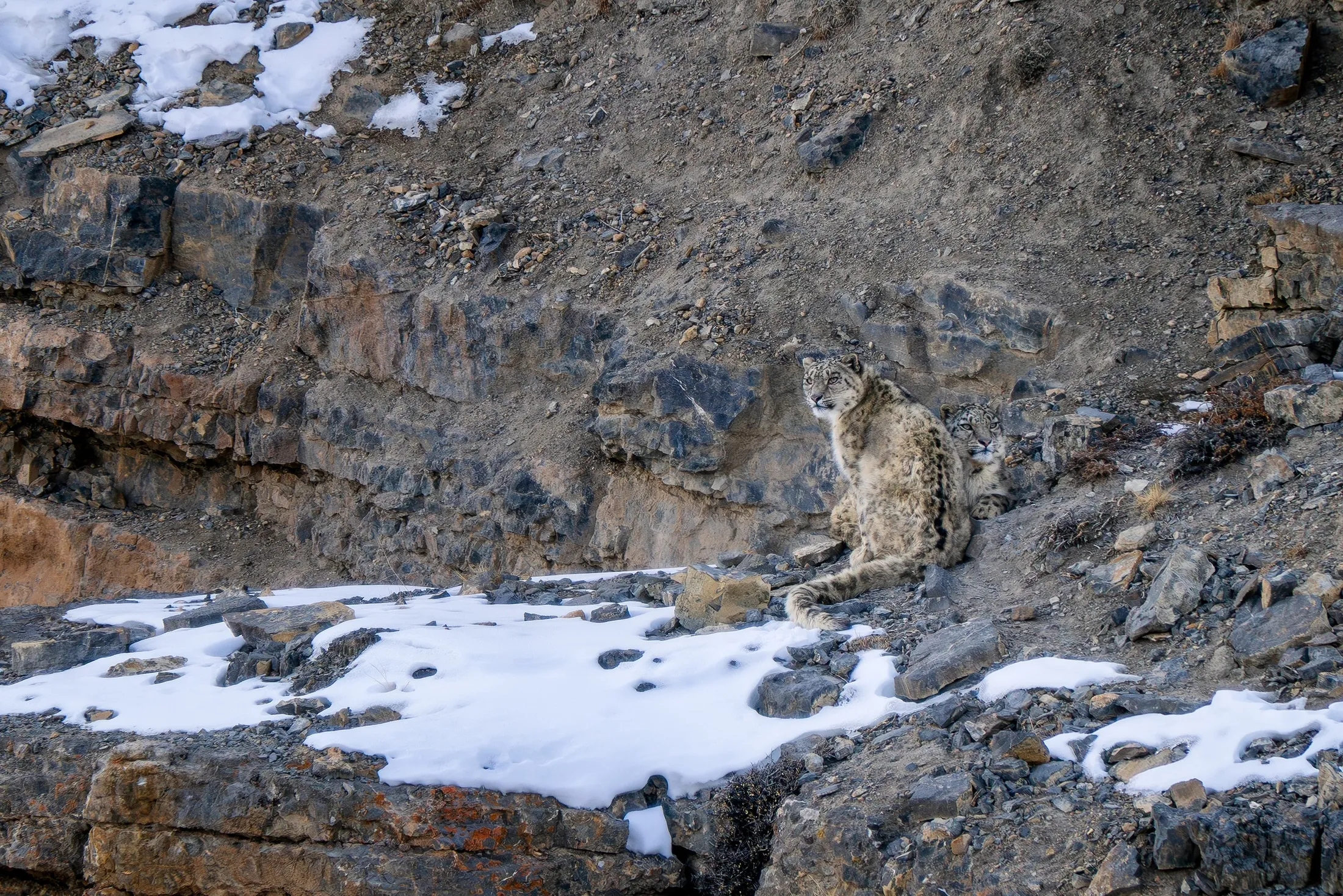
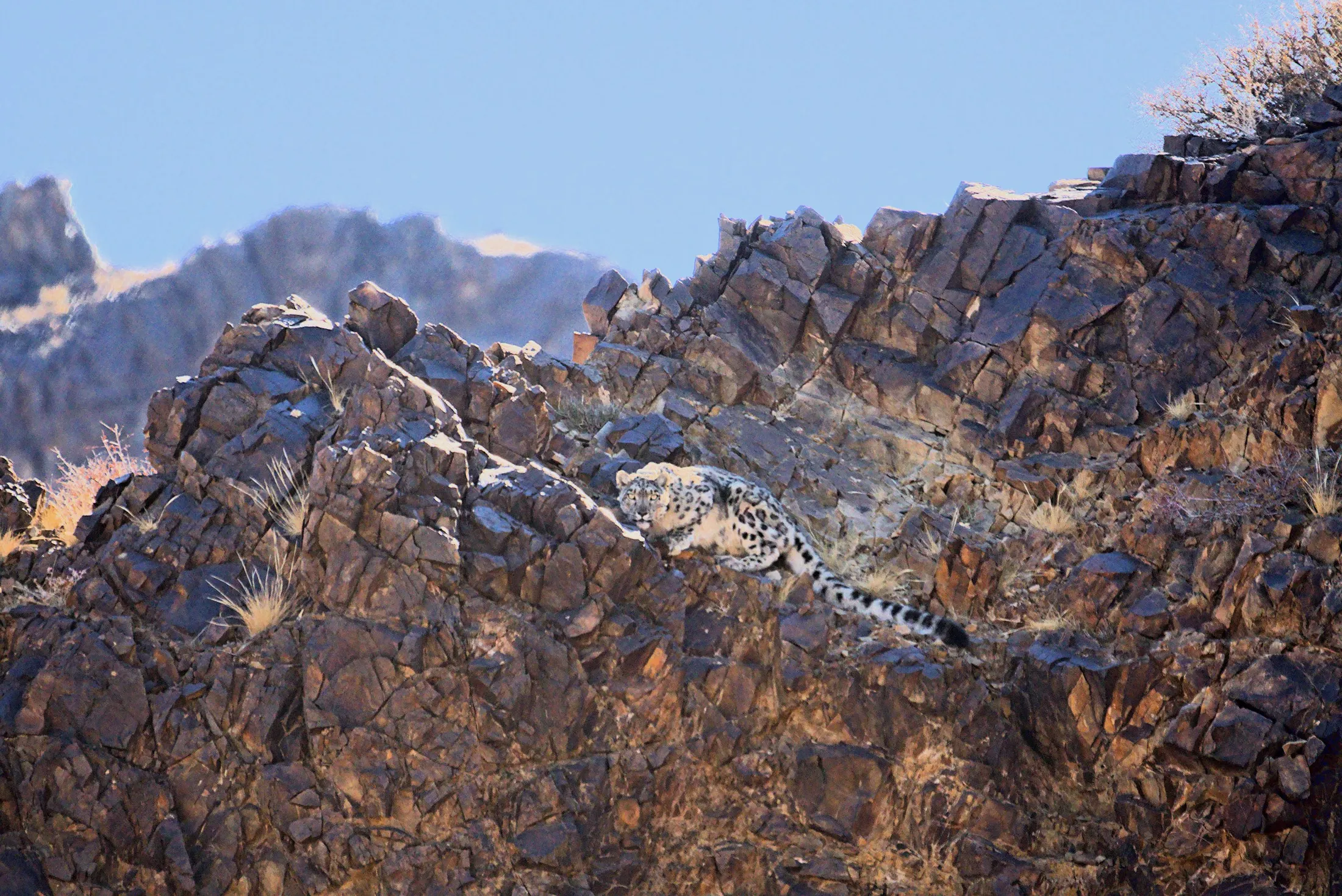
This 10-day snow leopard tour takes you to the Jargalant Mountains, in Khar Us Nuur National Park in western Mongolia. The massif holds one of the highest densities of snow leopards in the west of the country, and we spend five full days there with a team of trackers who have worked the area for fifteen years.
Each day is spent in the field : scanning around from high points, following tracks along the valleys and watching from a distance once a cat is found. Ibex, lynx, Pallas’s cat and wolf share the mountains.
The journey ends with a day in Mankhan Nature Reserve, home of the Mongolian saiga and the goitered gazelle, and a visit to the prehistoric paintings of Khoit Tsenkher Cave.
The expedition runs in two seasons. In February and March, snow leopards are in their mating season and the mountains are under snow. From May to November, the days are long, the camp is comfortable and herders in the high pastures help the trackers locate the cats.
When to come
| February–March | The mating season. Snow leopards move more and call to each other, and a male and a female may be seen together. Snow shows fresh tracks, and the cold keeps the cats active during the day. |
|---|
When to come
| May–November | Herders move their livestock to the high pastures and tell the trackers what they see. The days are long, females may be followed by their cubs, and conditions at camp are comfortable. The cats rest in the heat of the day: early morning and evening are the best hours. |
|---|
SeasonsWhen to see snow leopards in Mongolia
Snow leopards live in Mongolia's mountains throughout the year and can be encountered in any season. What changes is their behaviour, how easily their tracks and signs can be followed, and the conditions you will face in the field.
- January to March — The mating season. Snow leopards become more active, covering greater distances and marking their territories more frequently. Males travel widely in search of females. Snow makes tracks easier to spot and follow, sometimes for several days. This is the coldest period of the year and the traditional season for snow leopard expeditions.
- April to July — The birth of the cubs. Females retreat to their dens to give birth and raise their young, making them particularly difficult to encounter. Days become longer and temperatures gradually rise. This is also when ibex give birth.
- August to October — Late summer and autumn. Snow leopards continue to roam across their mountain territories, coming down from the higher peaks to the lower ground. Conditions in the field are generally more comfortable, with milder temperatures and longer periods of daylight.
- November and December — The beginning of winter. Cubs born in spring are now old enough to travel alongside their mothers. Families of two or three individuals can sometimes be seen together. The first snowfalls make tracking easier again, while temperatures, although dropping, are generally less severe than in mid-winter.
The local tracking team has followed the same snow leopards for fifteen years. According to the camp director, May to October can offer very good conditions for sightings, while February and March remain the traditional choice for snow leopard expeditions.
Whatever the season, encountering a snow leopard is never guaranteed.
Where it goes
For the best experience, we recommend viewing this map on a larger screen.
Natural Earth; Khövsgöl protected areas traced from the UTSPA map. Other areas shown at true area, not surveyed boundaries.
Protected since 1997 as Khar Us Nuur National Park
Khar-Us Lake & the Jargalant Mountains
8,500 km²— more than five times the area of Greater London
Three large lakes and the mountains that stand above them, in Khovd province. The Jargalant Mountains rise to nearly 3,800 metres in the middle of the park and hold its snow leopards and ibex.
Day by day
The itinerary
Day 1
Arrival in Ulaanbaatar
Welcome to Mongolia. We meet you at the airport and drive you to your 4* hotel in the centre of Ulaanbaatar.
If you arrive in time, spend the afternoon discovering the city with a guide: Sükhbaatar Square, the heart of the capital, and Gandan Monastery, the largest active monastery in Mongolia. If your flight lands late, rest at the hotel after the journey.
In the evening, meet your guide for a welcome dinner and a briefing on the expedition. We check your clothing and equipment together, and make sure your bags are within the weight limits for the early flight to Khovd the next morning.
Day 2
Ulaanbaatar to the Jargalant Mountains
Take a morning flight west to Khovd, then continue by road towards the Jargalant Mountains, a massif rising to 3,800 metres above the lakes and steppe of Khar Us Nuur National Park.
Before leaving town, there will be time to stop at Khovd’s main department store to pick up any supplies you may need.
From there, we drive to our camp at the foot of the southern slopes, arriving around midday. The afternoon is free to rest, settle in or enjoy a first walk around the camp area.
Days 3–7
Five Full Days in the Jargalant Mountains
The Jargalant Mountains are home to one of the highest densities of snow leopards in western Mongolia. We work here with Twin Snow Leopards Camps, whose team has been based in the area for 15 years and has some of the best sighting rates in the region. Their trackers will accompany us in the field every day throughout our stay.
Each morning, we set out early with the team. While some trackers scan the mountain slopes from high points using spotting scopes, we explore the valleys, looking for tracks and scent markings.
The mountains are also home to Eurasian lynx, Pallas’s cats and wolves, as well as Siberian ibex, the snow leopard’s main prey in this region. With five full days in the mountains, we have good chances of encountering snow leopards and plenty of time to photograph them in favourable conditions.
Overnight stays at the camp.
Day 8
Mankhan Nature Reserve
We leave the mountains behind and head to Mankhan Nature Reserve, a vast area covering more than 3,000 km², established in 1993 to protect the Mongolian saiga antelope. Herds roam the rocky plains alongside goitered gazelles. Argali sheep and Siberian ibex inhabit the surrounding hills and Pallas’s cats can also be found among the rocky outcrops.
We also visit Khoit Tsenkher Cave, known for its prehistoric rock paintings. At the end of the day, we drive back to Khovd, where we spend the night at a hotel.
Day 9
Khovd to Ulaanbaatar
After breakfast, transfer to Khovd airport for the morning flight back to Ulaanbaatar. The flight leaves at 9:40 and lands in the capital at around 12:35, local time.
In the evening, share a farewell dinner together before a last night at the hotel.
Day 10
Departure
Transfer to the airport for your flight home.
Flights between Ulaanbaatar and Khovd run on Tuesdays, Fridays and Sundays. Departures are planned around them, so the expedition starts on a Thursday and ends on a Saturday.
Your expedition
What is included :
Included
- All ground transport in Mongolia, using our own vehicles and drivers, with fuel included
- All accommodation listed in the itinerary
- All meals and drinking water throughout the expedition
- Your expedition guide, together with the local rangers, trackers and spotters who work with us
- All park and reserve entry fees and permits
- Airport transfers in Ulaanbaatar on the scheduled arrival and departure days
- All camping and cooking equipment required by the itinerary
- Return flights between Ulaanbaatar and Khovd
Not included
- International flights to and from Ulaanbaatar
- Travel insurance, which is required and must cover medical evacuation
- Visa fees, where applicable
- Alcoholic drinks and personal expenses
- Optional activities or services not listed in the itinerary
Key species
Wildlife to look for on this expedition
Regular
Snow leopardPanthera unciaRegular 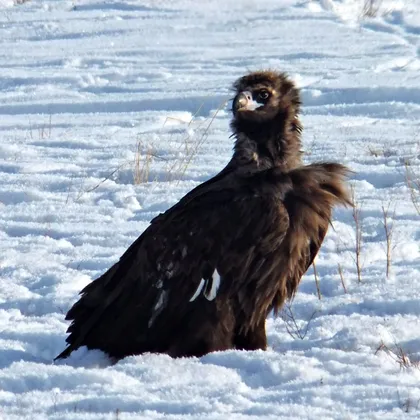
Cinereous vultureAegypius monachusRegular 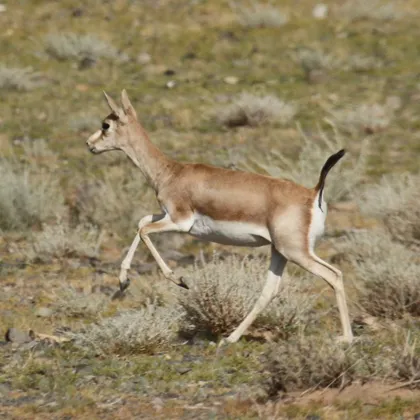
Goitered gazelleGazella subgutturosaRegular 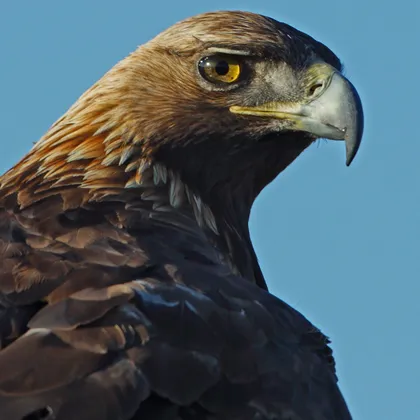
Golden eagleAquila chrysaetosRegular 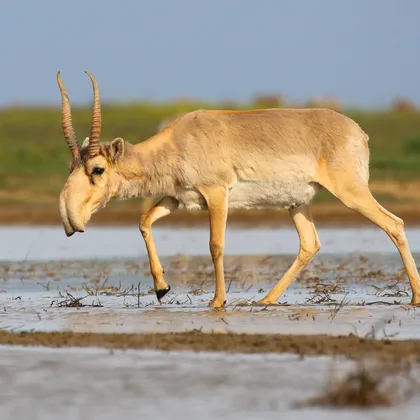
Mongolian saigaSaiga tatarica mongolicaRegular
Occasional
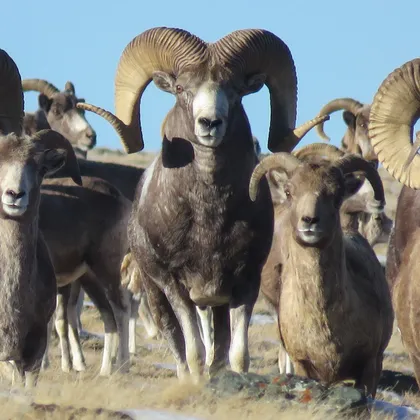
ArgaliOvis ammonOccasional 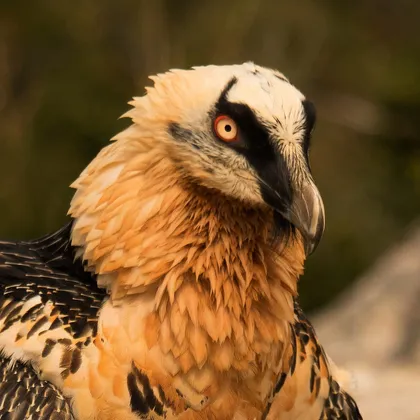
Bearded vultureGypaetus barbatusOccasional 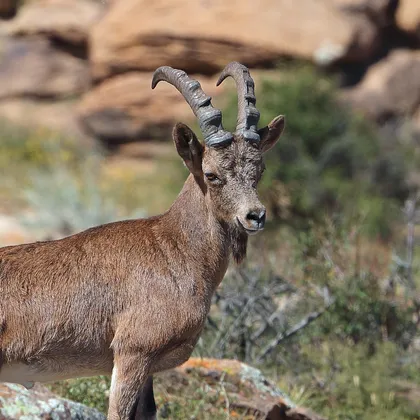
Siberian ibexCapra sibiricaOccasional
Rare
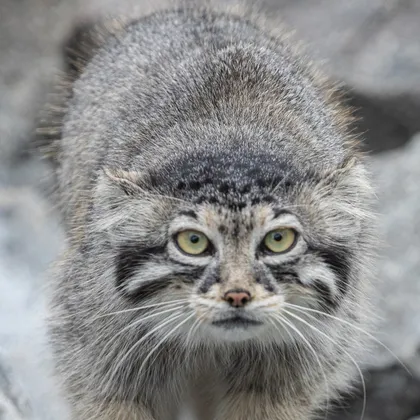
Pallas's catOtocolobus manulRare 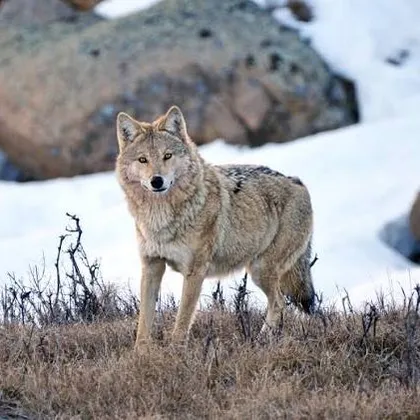
Grey wolfCanis lupusRare 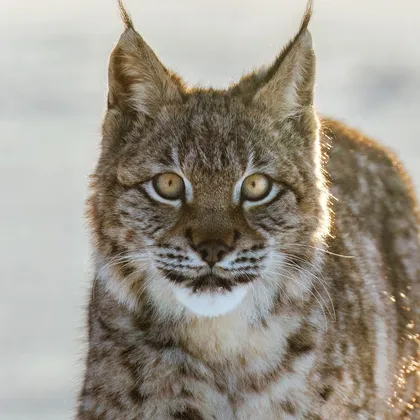
Eurasian lynxLynx lynxRare
Before you book
The realities of this expedition
This is a remote expedition with basic facilities and long days in the field. It will not suit everyone, and we want you to know what to expect before you decide.
- February : daytime temperatures are often between −15°C and −5°C, with nights reaching −25°C.
- March : days are generally between −5°C and +5°C, with nights around −10°C to −15°C.
- Field days begin early and involve long hours of scanning from exposed ridges, often in the wind.
- Walking is over steep, rocky and uneven ground, at around 2,000 metres.
- Flights to Khovd run three days a week and can be delayed by weather.
Before you book
The realities of this expedition
This is a remote expedition with basic facilities and long days in the field. It will not suit everyone, and we want you to know what to expect before you decide.
- July : days are usually between +20°C and +28°C, with nights around +10°C.
- May and October : days are between +5°C and +18°C, and nights can fall below freezing.
- Field days begin before sunrise and end late, with a slower middle of the day.
- Walking is over steep, rocky and uneven ground, at around 2,000 metres, with little shade.
- Flights to Khovd run three days a week and can be delayed by weather.
How we watch
Watching without disturbing
We keep our distance, never bait or call animals, and do not use drones. In the field, we follow the guidance of the local rangers and researchers working with us. Every traveller is briefed before the expedition.
Sightings are never guaranteed. The welfare of the animal always comes before the photograph.
Ask us anything about this trip
Dates, fitness, cold, cameras, or what happens if the weather closes in. We answer these ourselves.